
Home > INDUSTRIES > Solution >
How to Choose a Dust Collector for Mining Operations? A Comprehensive Guide to Common Dust Removal Equipment and Their Applications
Mining operations—encompassing crushing, screening, conveying, loading, unloading, and ore processing—inevitably generate dust. In settings such as open-pit mines, stone quarries, aggregate production lines, and mineral processing plants, dust not only degrades the working environment but also accelerates the wear and tear of machinery and increases occupational health risks for personnel.
Effective dust control in the mining industry cannot be achieved simply by installing a single dust collector. Because dust generated at different stages of production varies in terms of particle size, concentration, humidity, and temperature, the appropriate dust removal method must be tailored to each specific context.
In terms of industrial filtration, common dust removal equipment used in the mining sector includes pulse-jet bag filters, standalone dust collectors, mobile dust collectors, wet-type dust collectors, and cyclone separators. Below, we explore the characteristics and ideal application scenarios for each of these systems within the context of mining operations.
I. Common Types of Dust Collectors in the Mining Industry
1. Pulse-Jet Fabric Filter (Baghouse) Dust Collector
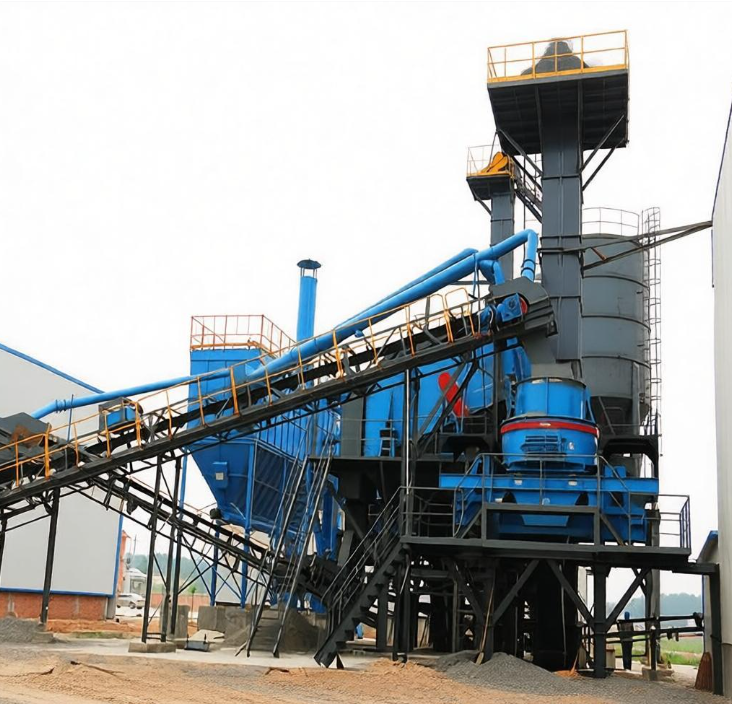
Pulse-jet bag dust collectors are common dry-type dust removal devices used in mining operations, specifically during crushing, screening, and material transport.
Their operating principle involves using filter bags to capture dust from dust-laden air; clean air passes through the filter medium, while dust particles accumulate on the surface of the bags. When the resistance across the filter bags reaches a set threshold or a predetermined cleaning cycle is triggered, a pulse valve opens. Compressed air is then directed through a blowpipe into the filter bags, causing them to rapidly expand and vibrate, which dislodges the dust so that it falls into a collection hopper.
Key features:
Highly effective at filtering fine dust particles.
Utilizes an automatic pulse-jet cleaning system, allowing for continuous operation.
Enables centralized dust collection, with some captured material potentially suitable for recovery and reuse.
Can be designed in various specifications based on site-specific airflow requirements and the number of dust-generation points.
Typical applications: Ore crushers, vibrating screens, conveyor transfer stations, storage silos, material discharge points, and centralized dust extraction systems.
Note: Mining dust often contains hard mineral particles, such as quartz, which can be abrasive. Therefore, in addition to determining the required filtration area, the design must account for wear protection at the air inlet, the selection of appropriate filter bag materials, and the implementation of pre-separation measures to remove dust before it reaches the bags.
2. Standalone Pulse-Jet Dust Collector
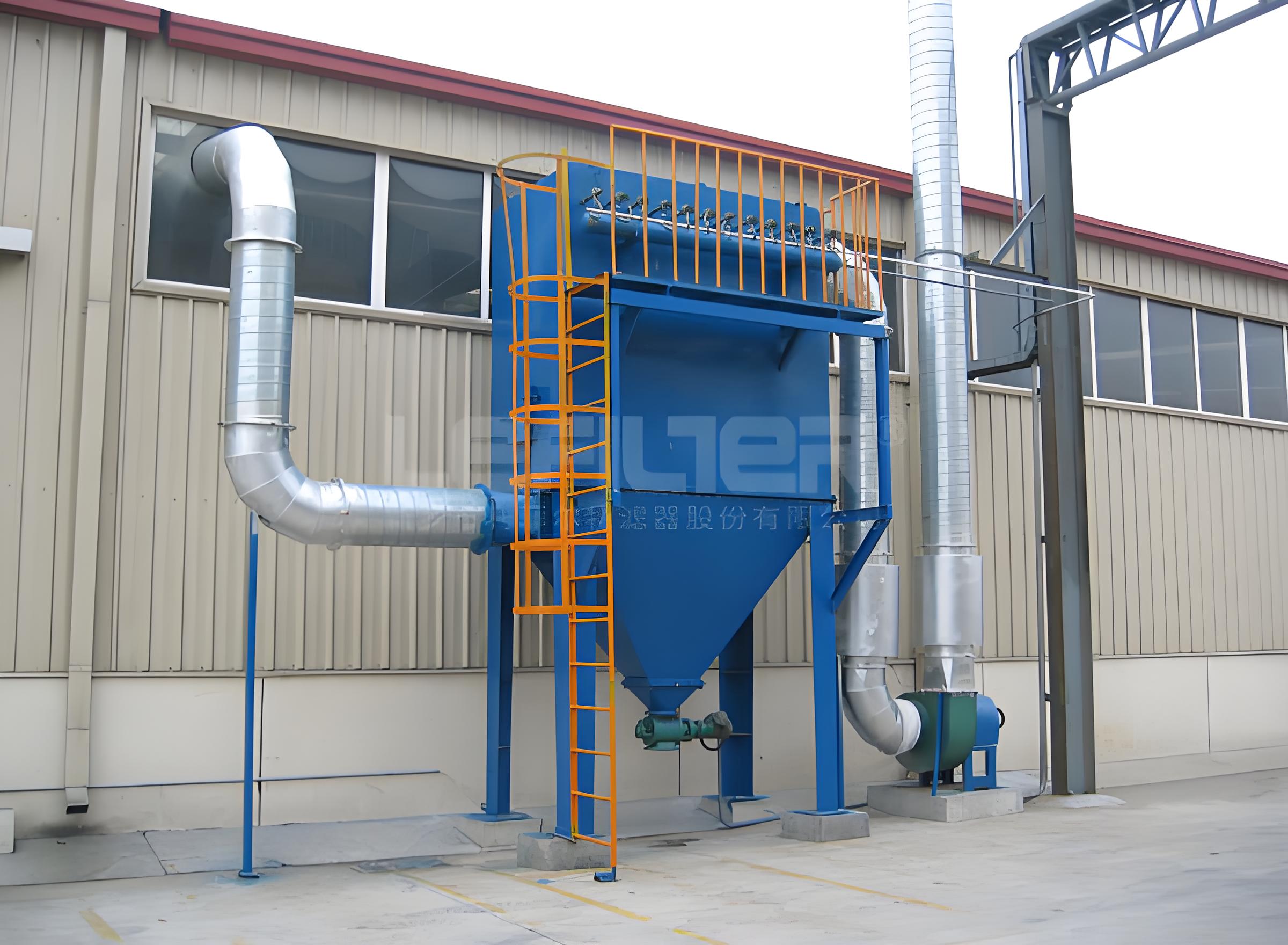
A standalone pulse-jet dust collector can be understood as a compact, independently operating type of baghouse dust collection equipment. It typically consists of a housing, filter bags, a pulse-jet cleaning system, a dust hopper, and a fan.
Compared to large-scale centralized dust collection systems, its advantages include flexible installation and shorter ductwork, making it well-suited for individual pieces of equipment or relatively isolated dust-generating points.
Typical applications include:
Localized dust collection for small crushers.
Discharge points of belt conveyors.
The tops of ore storage bins.
Small-scale screening equipment.
Maintenance workshops in mining operations and areas with localized dust emissions.
If there are numerous dust-generating points, if they are located far apart, or if the total required airflow is high, standalone units may not be the most economical choice; in such cases, a centralized dust collection system should be considered.
3. Wet-type dust collector
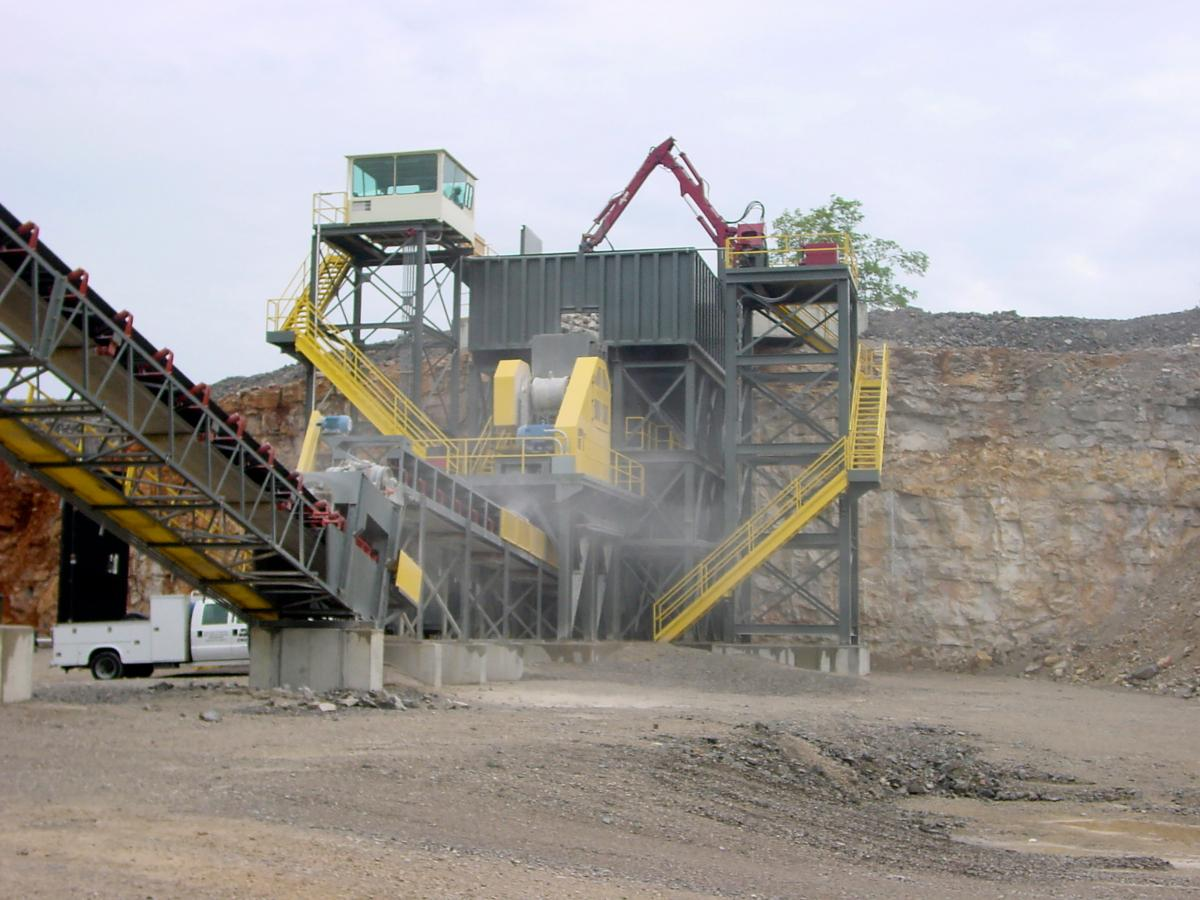
Wet dust collectors function by bringing water into contact with dust-laden gas, which wets and captures the dust particles; the gas is then purified through sedimentation or gas-liquid separation.
This type of equipment is suitable for dust control scenarios where dry filtration is inappropriate, and it can also be used in conjunction with spray-based dust suppression systems.
Applicable scenarios:
Dust generated in high-humidity environments or specific industrial processes.
Localized operating conditions where dry filtration is not suitable.
Specific applications that require the simultaneous treatment of both dust and gases.
However, wet dust collection is not suitable for all mining operations. It generates dust-laden wastewater or sludge, necessitating the installation of sedimentation tanks, water circulation systems, and sludge disposal facilities. Furthermore, if the ore product is sensitive to moisture, the impact of subsequent processing must also be taken into account.
4. Cyclone Dust Collector
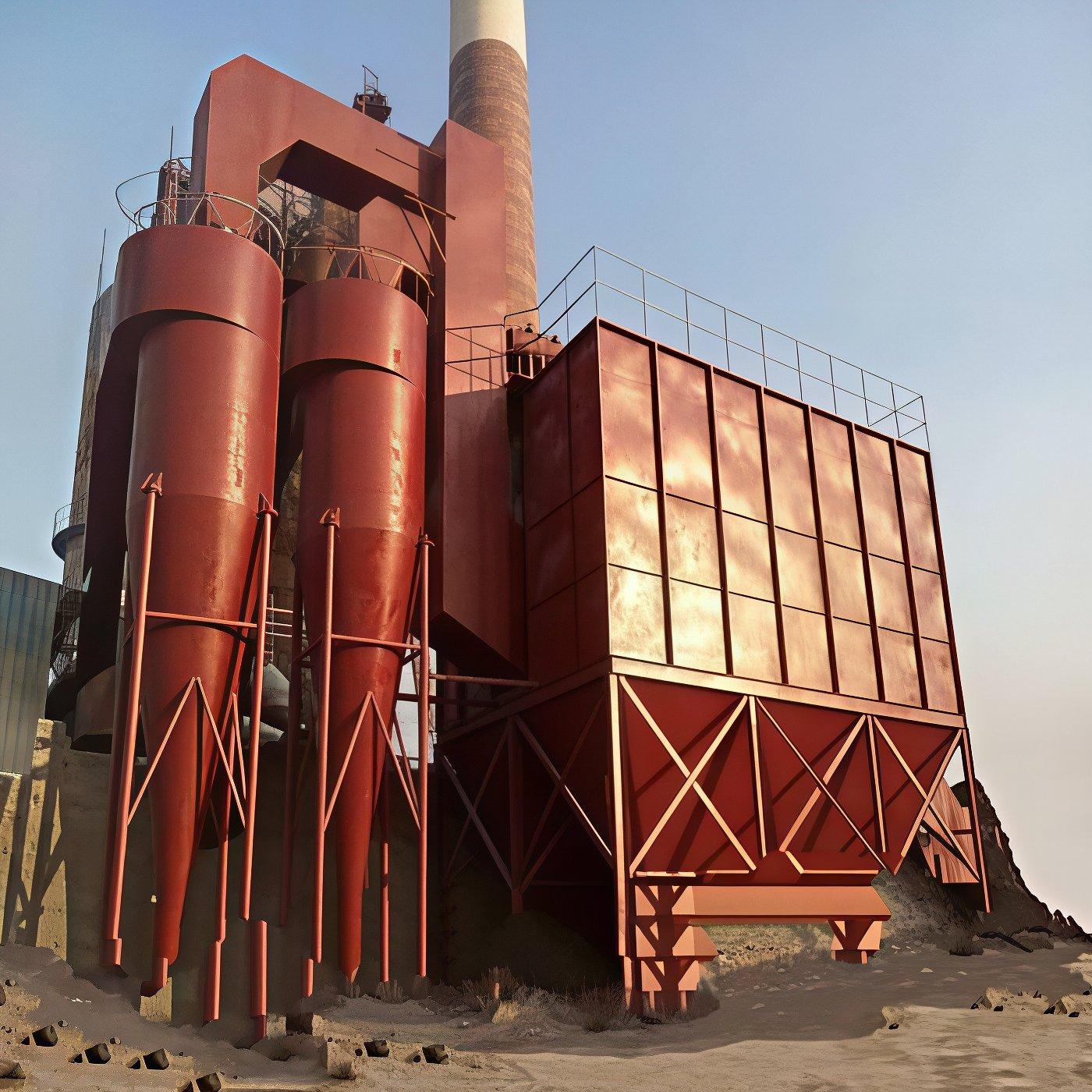
A cyclone dust collector utilizes the centrifugal force generated by a rotating airflow to drive larger, heavier particles toward the vessel walls, from where they eventually fall into a dust hopper.
Featuring a simple design and no filter bags, it is well-suited for handling coarse dust particles at certain concentrations; however, its efficiency in capturing fine dust is limited.
Typical applications:
Pre-treatment of coarse ore dust.
Primary dust removal in processes such as drying or material transport.
Use in combination with a fabric filter (baghouse) to reduce the filtration load on the downstream equipment.
In practical engineering, a cyclone dust collector primarily serves as a pre-separation stage and cannot simply replace high-efficiency fabric filtration systems.
III. Key Technical Parameters for Selecting Dust Collectors in Mining Operations
When selecting dust collection equipment for mining operations, one should look beyond just the model and price; the following parameters directly influence the system's operational performance.
1. Airflow Volume (Capacity)
Airflow volume determines the amount of dust-laden air the equipment can capture. This must be calculated by considering the dust-generating equipment, the design of dust-collection hoods, ductwork resistance, and the number of units operating simultaneously. Insufficient airflow can lead to dust leakage, while excessive airflow results in unnecessary energy consumption.
2. Filtration Velocity
Filtration velocity refers to the volume of gas passing through a unit area of filter media per unit of time. Given that mining dust is often highly abrasive and contains a significant proportion of fine particles, filtration velocity must be carefully controlled. It is a mistake to reduce the filter bag surface area solely to lower equipment costs.
3. Filter Bag Material
Polyester needle-felt: Suitable for most ambient-temperature, dry mineral dust applications.
Anti-static filter media: Intended for environments where there is a risk of static electricity accumulation (subject to a formal risk assessment).
Membrane-coated filter media: Enhances the filtration of fine dust and improves dust-cleaning (pulse-jet) efficiency.
High-temperature resistant filter media: Designed for specialized processes involving elevated temperatures.
The choice of filter media must also account for factors such as humidity, pH levels (acidity/alkalinity), temperature, and dust particle size—decisions should not be based solely on the name or type of the dust.
4. Dust-Cleaning System
The performance of the dust-cleaning system is influenced by the pulse valves, blow tubes, and the quality of the compressed air. If the compressed air contains moisture or oil, it can cause the filter bags to become clogged (blinded) and prevent effective dust removal; in severe cases, this can disrupt the normal operation of the equipment.
III. Routine Maintenance of Mine Dust Removal Equipment Must Not Be Overlooked
The installation of a dust collector does not mark the end of dust control efforts; routine maintenance is equally critical.
Regularly inspect filter bags for damage, clogging, or signs of aging.
Monitor the operating pressure differential to determine if the filtration resistance is abnormal.
Verify that pulse valves, air reservoirs, and blow-tubes are functioning correctly.
Clear the dust hoppers promptly to prevent dust accumulation from hindering the discharge process.
Check fans, motors, and duct connections to prevent air leaks and drops in airflow volume.
Given that mining operations involve high dust concentrations and long equipment runtimes, it is advisable to establish a routine inspection protocol. This ensures that issues are identified early, preventing minor faults from escalating into full-scale equipment downtime.
IV. Conclusion
There is no single type of dust collector suitable for all operating conditions in the mining industry.
For fixed dust-generating points—such as those found in crushing, screening, and conveying processes—pulse-jet fabric filter dust collectors are generally a well-established choice. For smaller, standalone dust-generating units, a self-contained (single-unit) pulse-jet dust collector may be appropriate. In cases involving coarse particulate matter, a cyclone pre-separator can be integrated based on specific operational requirements. Meanwhile, for fugitive dust on haul roads, suppression methods such as spraying or watering are more effective.
A truly sound dust control strategy for a mine does not rely merely on adding more equipment; rather, it begins at the source of dust generation by implementing effective containment, gas collection, filtration, and dust recovery measures.
Xinxiang Lefilter Filter Co., Ltd All rights reserved Record No. : 11005909-1 prepared by Yu ICP





