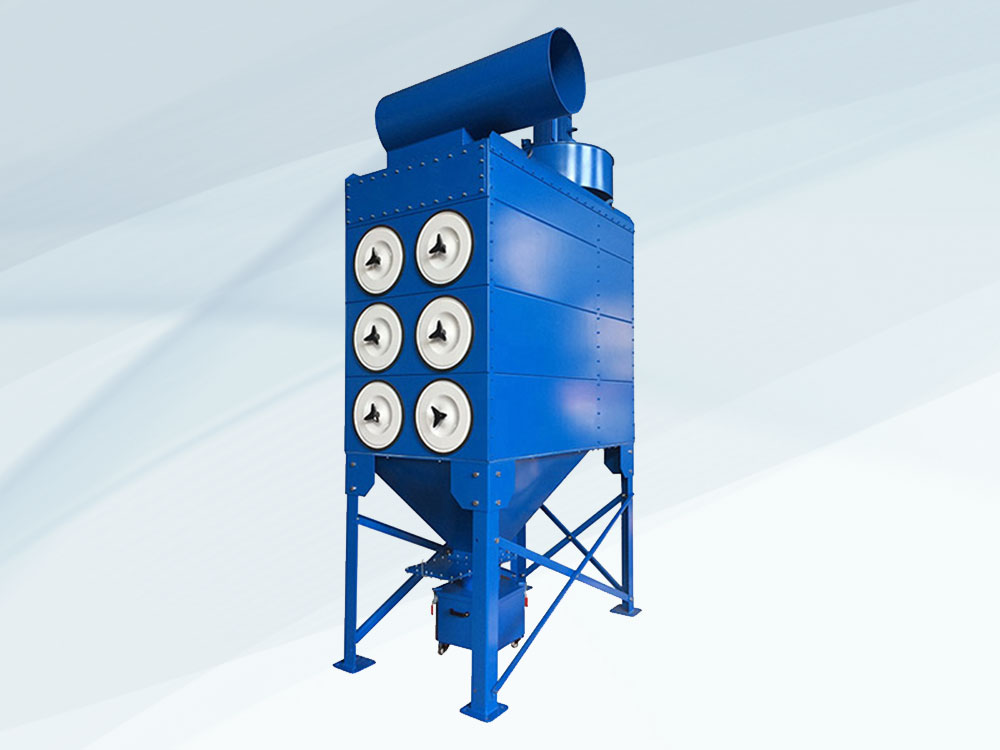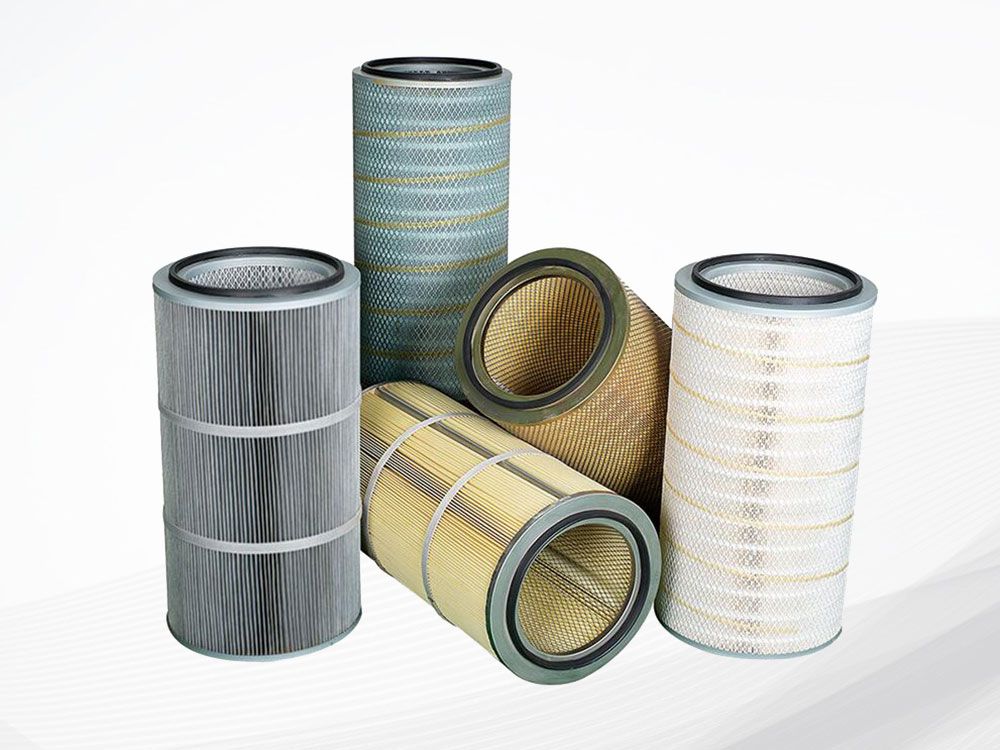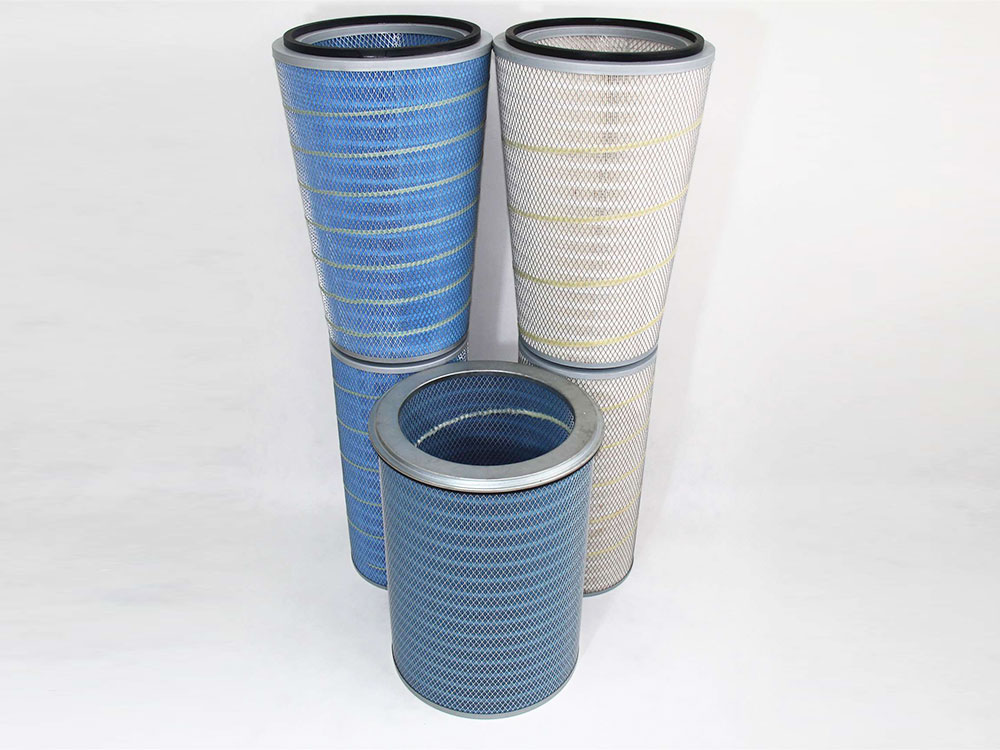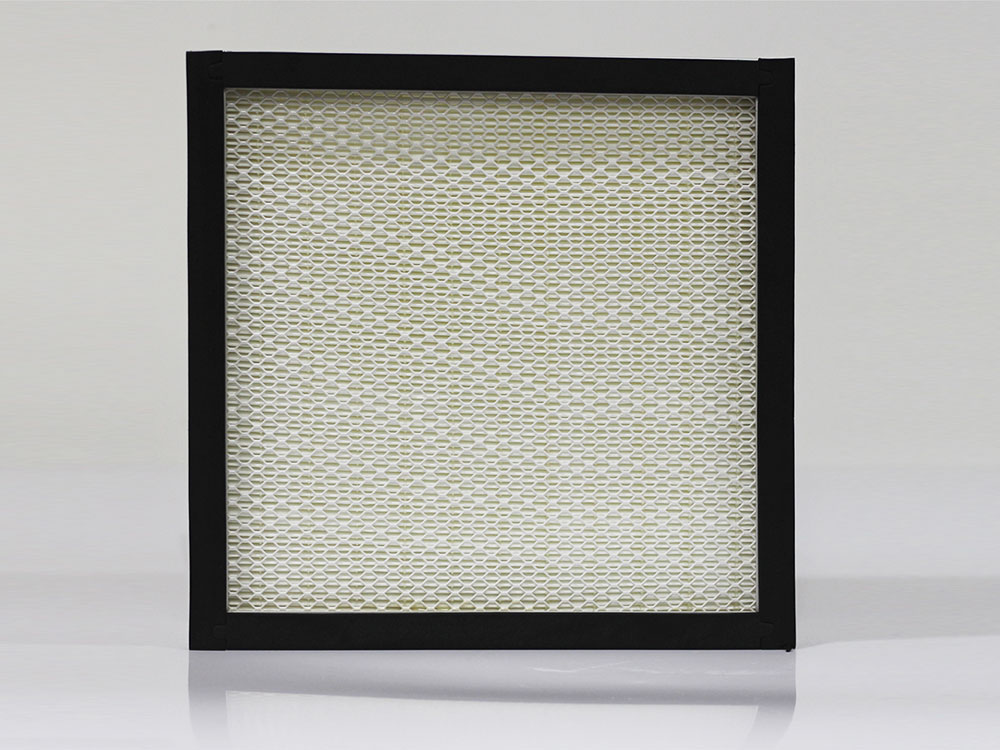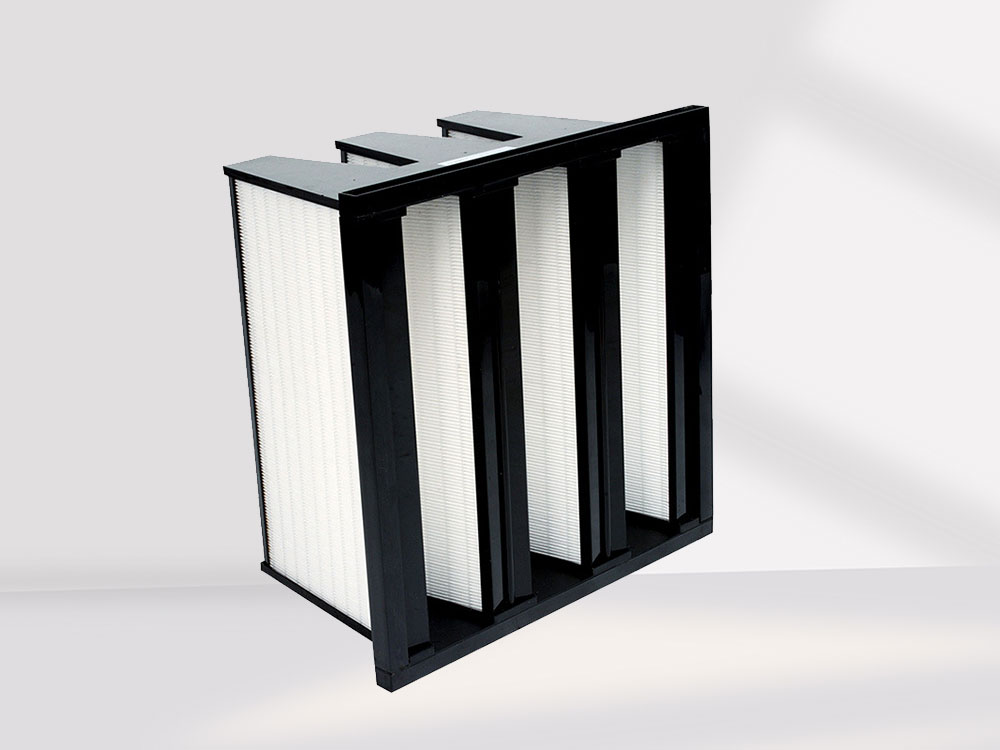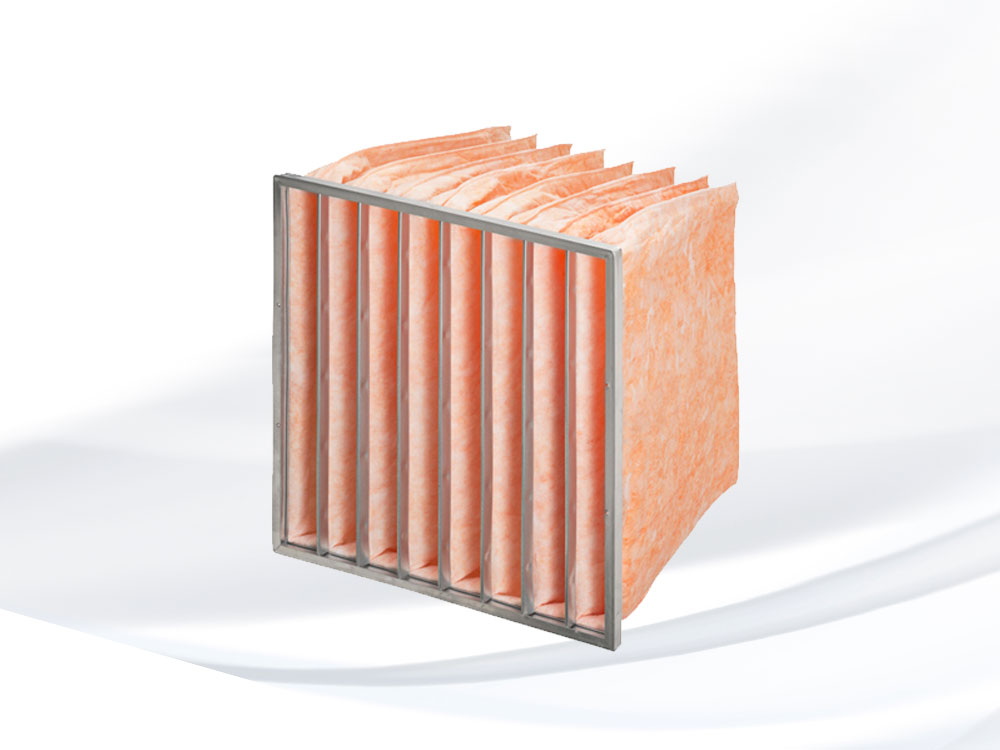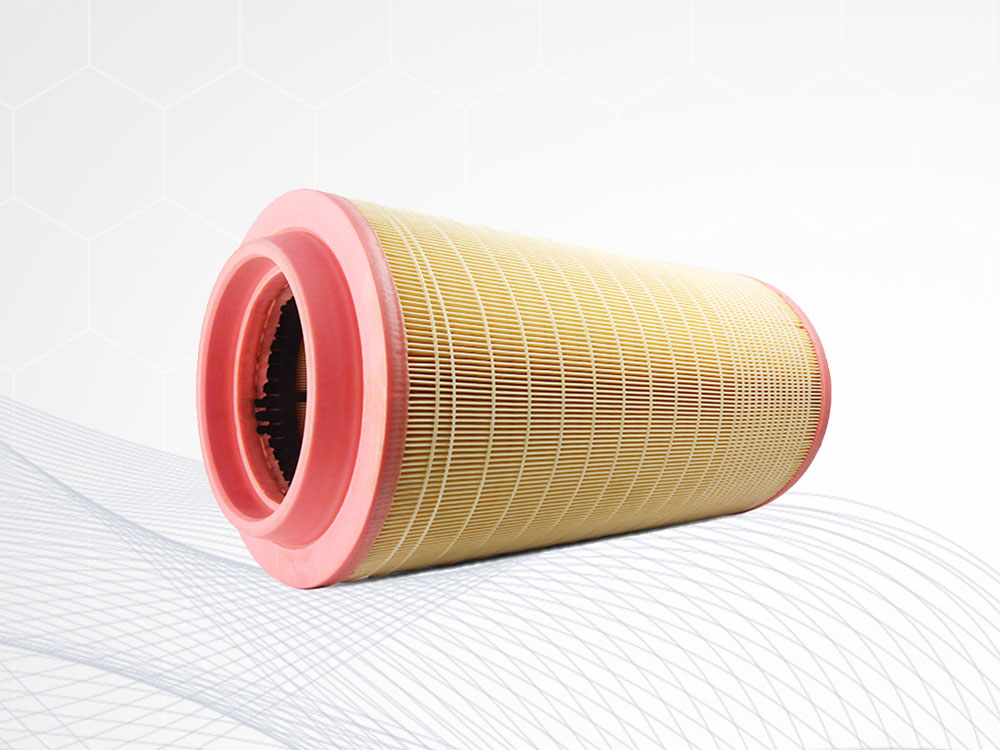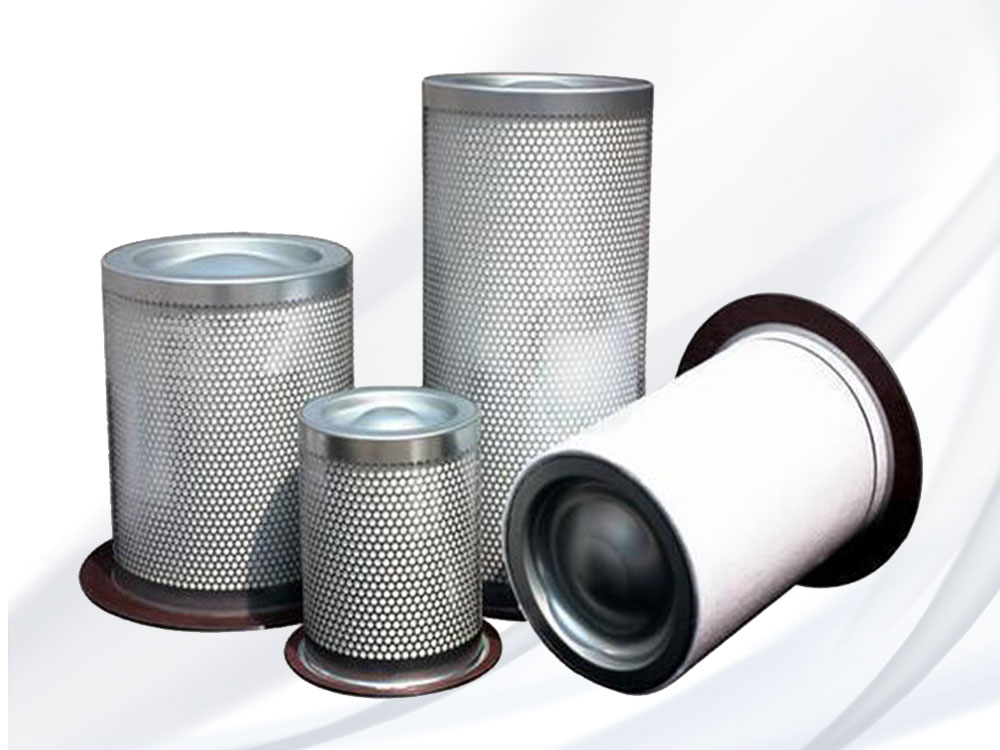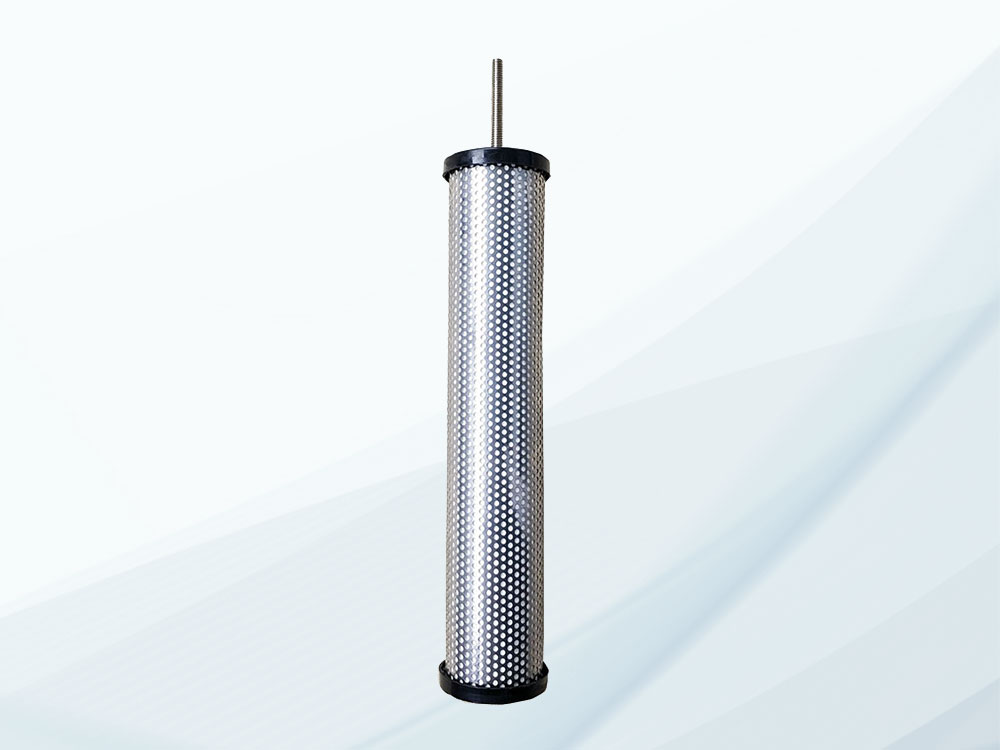
Airborne particulate matter removal technologies mainly include mechanical filtration, adsorption, electrostatic dust removal, anion and plasma methods, and electrostatic electret filtration.
Mechanical filtration generally captures particles through the following three methods: direct interception, inertial collision, and Brownian diffusion mechanism. It has a good collection effect on fine particles but has a large wind resistance. In order to obtain high purification efficiency, the filter element needs to be dense and replaced regularly. Adsorption is to use the large surface area and porous structure of the material to capture particulate pollutants, which are easy to clog, and the effect of removing gas pollutants is more significant.
The filtering principle of the air filter is introduced in detail:
1. to block
Dust particles in the air move with the airflow in inertial motion or irregular Brownian motion or under the action of some field force. When the particle motion hits other objects, the van der Waals force existing between objects (molecule and molecule, molecular group and The force between the molecular groups) makes the particles stick to the surface of the fiber. The dust entering the filter medium has more opportunities to hit the medium, and if it hits the medium, it will be stuck. Smaller dust collides with each other and will bond with each other to form larger particles and settle down. The particle concentration of dust in the air is relatively stable. The fading of the interior and walls is due to this reason. It would be a mistake to treat fiber filters like sieves.
2. Inertia and dispersion
Particle dust moves inertially in the airflow. When it encounters fibers placed in a mess, the airflow changes direction, and the particles collide with the fiber due to inertia and are bonded. The larger the particle, the easier it is to collide, and the better the effect. Small particles of dust make irregular Brownian motion. The smaller the particles, the more violent the irregular movement, the more opportunities to hit obstacles, and the better the filtering effect. Particles smaller than 0.1 micron in the air mainly perform Brownian motion, the particles are small, and the filtering effect is good. Particles larger than 0.3 microns mainly do inertial motion, and the larger the particle, the higher the power. Particles with neither dispersion nor inertia are the most difficult to filter out. When measuring the performance of high-efficiency filters, people often stipulate to measure the most difficult dust power value.
3. Electrostatic effect
For some reason, fibers and particles may become charged and electrostatic effects occur. The filtering effect of electrostatically charged filter materials can be significantly improved. Reason: Static electricity makes the dust change its trajectory and hit obstacles, and static electricity makes the dust stick more firmly on the medium. Materials that can carry static electricity for a long time are also called "electret" materials. After the material is charged with static electricity, the resistance remains unchanged, and the filtering effect will be significantly improved. Static electricity does not play a decisive role in the filtering effect, but only plays an auxiliary role.
4. Chemical filtration
Chemical filters primarily selectively adsorb harmful gas molecules. There are many invisible micropores in the activated carbon material, which has a large adsorption area. In activated carbon the size of a grain of rice, the inner area of the micropores is as large as more than ten square meters. After contacting activated carbon, free molecules condense into a liquid in the micropores and stay in the micropores due to the capillary principle, and some of them are integrated with the material. Adsorption without significant chemical reaction is called physical adsorption. Some treat activated carbon, and the adsorbed particles react with the material to generate solid matter or harmless gas, which is called chemical adsorption. During the use of activated carbon, the adsorption capacity of the material is continuously weakened. When it weakens to a certain extent, the filter will become useless. If it is only physical adsorption, heating or steam fumigation can remove harmful gases from the activated carbon and regenerate the activated carbon.
Air filters are classified according to:
The primary effect filter is capable of filtering particles whose size is generally greater than or equal to 5um, and the filtration efficiency of this type of particles is between 20-80%, and its dust holding capacity is generally 500g-2000g per square meter; The medium-efficiency filter can filter particles with a diameter greater than or equal to 1um, and the filtration efficiency is between 20-70%, and its dust holding capacity is generally 300-800g per square meter; the high-efficiency filter has a diameter of more than 1um The particle filtration efficiency of the filter is about 99%, and the dust holding capacity is almost the same as that of the medium-efficiency filter, which is between 300-800g per square meter.